How to make a shared pet chore chart that people use
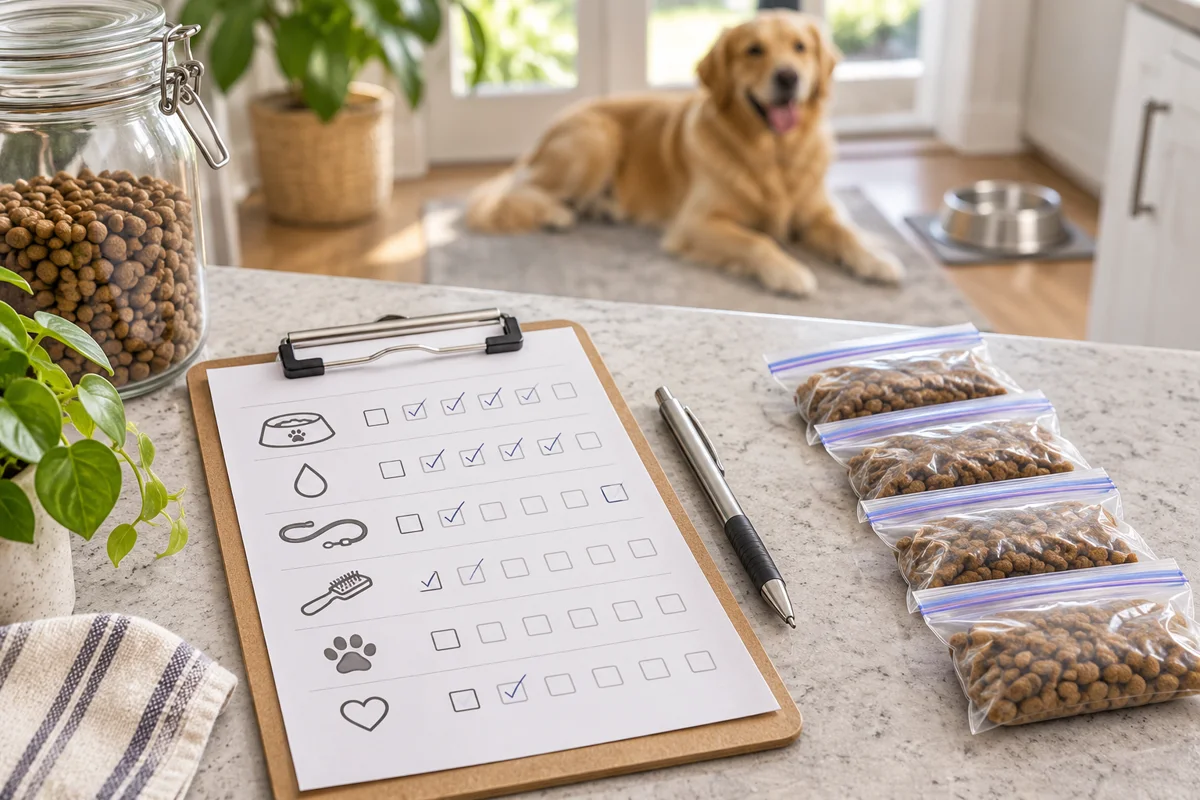
Put the tasks that can be missed or repeated onto one shared chart. Give each task a person, a time window and a place to record when it was done. Meals, litter, fresh water and visits outside are common starting points. Keep the chart where the work happens, or use a shared note everyone can access. If two people feed the dog at different times, both need to see the same record before they open the food container.
Start with a normal day and a day when someone is away. Write down what changes and who will cover it. A chart should make the next action clear even if you haven't spoken to the person who handled the previous visit. Agree on a short way to record an exception, such as a meal left untouched or a walk cut short, and keep contact instructions with the routine.
See the three chart setup steps
Video summary: Assign a person, record what happened and keep one shared chart.
Build the chart around what people actually do
| Task | Time window | Responsible person | What to record |
|---|---|---|---|
| Morning meal | Usual breakfast period | Name, plus a named backup | Time and which animal received it |
| Water check | At breakfast and again when you normally refill | Person already near the bowls | Refilled, washed or spill cleaned |
| Toilet outing or litter care | Set a window for the household routine | Person handling the visit | Outing completed or tray scooped, with any relevant change |
| Evening activity | A short window that fits the household | Person available for supervised play | Activity done or animal chose to rest |
| Reset supplies | Weekly, or after use when needed | Named person | Stock replaced, laundry done or item moved to cleaning |
Adjust the examples to match the actual animals and household. Some tasks need a clear time or veterinary instruction, while others can happen whenever the person is in the room. Avoid writing an exact minute for chores that naturally happen over a wider period. A backup needs to know when to step in, which may be different from the earliest time the task can be done.
1. Walk through the routine from start to finish
List the things someone actually does on a typical weekday. Start when the first person enters the kitchen or takes the dog outside. Include tasks that aren't immediately obvious to someone else, such as washing a lid after the last meal or putting a supervised toy away. Then ask where people are when the next job needs doing. Assigning a water check to someone already refilling a bottle is easier to remember than expecting somebody to make a special trip.
Mark the actions that need one record. A meal, a dose handled under current instructions, or a scheduled visit should have a clear place to record the actual time and outcome. A general chore like brushing grit from the entrance mat may only need a weekly reminder. If the same task has several animals involved, identify each animal. “Dinner done” is incomplete if one pet eats separately or someone takes care of the second bowl later.
People should be able to find supplies without asking. Put the everyday equipment near where it is used, along a clear route. Use the small entryway guide if the leash, towel and waste bags wind up in different rooms. For food and water, label the group that goes with each pet without turning the cabinet into another chart to maintain.
2. Write the action so someone else can do it
Use the name of the item and where it belongs. “Refill both bowls and check the mat underneath” gives the next person more to work with than “do water.” If you always use the same portion or container, note the location and its current label. Leave details for unusual situations on a short second page or in the relevant handover. Keep the daily chart readable from where people use it.
Pick a way to mark the behavior you care about. For meals, time and animal are usually enough. For walks, the visit time and any important change may be all you need. A checkmark can be suitable for a cleared tray if no further information is required. If someone starts a task but can't finish it, write what happened and who knows about it instead of marking it complete.
For medication or a health condition, use the directions from the veterinary practice. Agree on who is responsible and keep the accompanying instructions where they can find them. Record what actually happened, and use the agreed contact plan when there is a missed or uncertain step. The regular chart can point to that plan without trying to restate it from memory.
3. Give backups a clear point to take over
Agree on a time when someone checks for an incomplete task. If one person plans to get home around six but sometimes arrives late, name the person who checks the record near the end of the feeding window. Decide how the primary person tells the backup about a change. A shared note won't help if the backup never looks at it, so agree on one message or reminder channel for time-sensitive changes.
If a visitor is helping, share only the tasks relevant to their visit. A dog sitter handover or cat sitter handover can provide the entry routine and local contact details. Link or point them to the current record if they share work with someone else. Confirm which visit they own and what they should report afterward.
4. Try it for one week and remove friction
After several days, find the rows that nobody marks or that people still ask about. Move the chart closer to where the task happens, change the time window or adjust who is responsible. Test one change at a time. Add an exception line only when it helps the next person know what happened.
Reset the chart with the next week already visible or keep a single reusable template. If the household uses a shared note, put the current day at the top and archive old entries where needed. If using paper, keep a pen beside it and clear old versions away. Look for a system that makes the next person's job easier on a busy evening.
Run through one example together
Imagine the usual person is late for dinner. They send a message before the agreed cutoff, the backup checks the chart, and the backup feeds only the pet whose meal has not been recorded. Afterwards, the backup records the time and anything the next person needs to know. If there are two meals and one was already given, the record should make that distinction clear. Rehearsing this once exposes vague handoffs before you need the system on a busy day.
Frequently asked questions
Should I use a whiteboard or a shared note?
Choose the version everyone can see before doing a task. A whiteboard can work if all the care happens in one room and everyone is home. A shared note helps when people check the plan before driving over or when visitors cover separate shifts.
What if someone forgets to tick the chart?
Ask what happened before repeating anything that needs one record. Move the chart or reminder closer to the action and make the entry shorter. If the same handoff keeps going wrong, pick one responsible person and a clear backup point.
How can children help with the chart?
Give children age-appropriate jobs and have an adult confirm completion where needed. Make the action specific, such as returning a clean towel to the shelf. Keep adult responsibilities, including medication and door or gate checks, assigned to an adult.